Traditional Chinese medicine (TCM) is a broad range of medicine practices sharing common concepts which have been developed in China and are based on a tradition of more than 2,000 years, including various forms of herbal medicine, acupuncture, massage (Tui na), exercise (qigong), and dietary therapy. It is primarily used as a complementary alternative medicine approach. TCM is widely used in China and it is also used in the West.
Basic Chinese medicine concept
What is Chinese Medicine?
Traditional Chinese Medicine, or TCM, is one of the oldest medical forms in the world. Its history is more than 2,500 years. It is the essence of Chinese history, philosophy and medical knowledge. For many Chinese, Chinese Medicine is still the main medical form.
As research continues to deepen and the world's interest in natural products continues to rise, Chinese Medicine is increasingly considered to be an alternative to other forms of medicine in other parts of the world.
The important point of TCM theory is the balance between form and spirit. Physical health constitutes a solid foundation for mental health, including people's thoughts, emotions and psychological state.
Simply put, Chinese Medicine not only treats diseases, but also treats people who are sick. This treatment is based on the concepts of Tibetan, Yinyang and Five Elements.
• Tibetan phase
The literal meaning of the Tibetan phase is the external manifestation of the health status or state of the internal organs.
The Tibetan phase constitutes the basic principle of most Chinese medicine diagnosis. The internal causes of the disease are determined by examining external symptoms, and the corresponding treatment principles are formulated and implemented.
Tibetan refers to the internal location of the organs of the organs, which refers to their external appearance or symptoms.
The organs include the five internal organs (heart, liver, spleen, lung and kidney) and the six sputum (the gallbladder, stomach, bladder, large intestine, small intestine and triple burner).
Trifocal refers to the upper part of the body (the upper part of the diaphragm), the middle part (the part between the diaphragm and the navel), and the lower part (the part below the navel). The most important function is to supervise the water metabolism in the body.
•yin and yang
Everything in the universe has two forces that oppose each other and depend on each other - yin and yang, yin and yang are two opposing parts of the whole, interdependent and indispensable. Yin literally means “back yang or inactivity” (such as water, black, cold, night, inactive, female), while yang refers to “sunward or active” aspects (such as fire, light, heat, day, active, male).
In Chinese Medicine, the concept of yin and yang is used to explain the complex interrelationships and constant changes of the human body. All organs and systems are interconnected and interdependent. In general, when the yin and yang are balanced, our body is in a healthy state, but if one force overpowers another, pain and disease can occur. Traditional Chinese medicine uses the concept of yin and yang to diagnose the type of disability and develop a treatment method to restore balance.
• Five elements
The five elements include wood, fire, earth, gold, and water, each of which represents a different character, function, or performance. Everything in the universe can be classified according to this. The five elements are used to describe the relationship between all natural phenomena.
The five elements mainly interact in two cycles: phase and phase. In the phase cycle, various elements assist each other and transform each other, while the phase cycle controls various elements to ensure balance and harmony.
Chinese Medicine believes that mutual care is very important for health care.
Acupuncture improves the circulatory system by chartering energy pathways in the body
Acupuncture is now a widely known medicinal alternative to relieve chronic pain. Through skin penetration using small needles, certain nerve endings in our body become stimulated which help relieve us from a lot of health conditions including cardiovascular diseases.
Acupuncture does a great deal in promoting a healthy circulatory system. In just one session, blood vessels are more dilated and our blood flow improves thanks to the stimulation of our energy pathways.
Here’s exactly how this traditional practice benefits our circulatory system:
Helps in poor circulation in the legs – People often experience poor blood circulation in the legs since it’s located far from the heart. With the help of acupuncture, oxygen supply is restored in the tissues and lactic acid buildup is reduced. Different kinds of vascular diseases can also be treated by boosting the circulation. The healthier the blood circulation is, the less tendency for a person to suffer from diseases like restless leg syndrome, Type 2 diabetes, and develop varicose veins.
Helps wounds heal faster – According to Dr. Jihad Abbas, “Sixty percent of the wounds we see are chronic or non-healing for vascular reasons.” This means that keeping the circulatory system healthy with the help of acupuncture will aid in wound healing. However, before relying on this medicinal alternative, it is best to first consult your healthcare provider to ensure that the treatment is suitable for you and won’t have any bad effects on your wounds.
Relaxes blood vessels – Acupuncture helps the body reduce blood pressure. Even after the body goes through something stressful, the treatment manages to maintain a low level of blood pressure and even reduces muscular stress. Furthermore, once the blood vessels relax, the blood flow in our bodies also increase.
Acupuncture as an all-around treatment
Puncturing various parts of the body with needles releases hormones that travel to the brain, which help increase our pain thresholds. This is the reason why people who suffer from severe back and/or neck pain seek acupuncturists. In fact, the treatment is so effective, it is said to increase t
Through preventive acupuncture, the impact of a heart attack can be reduced. The needling acupuncture point PC6, or what is called Neiguan, can effectively protect the heart. Moreover, the practice reduces the heart’s damage after suffering from a condition called myocardial ischemia-reperfusion which attacks the body’s tissues. It also addresses the issues of arrhythmia and infarction. (Related: Acupuncture found to promote weight loss by boosting appetite-suppressing hormones.)
Reperfusion is also a common problem which occurs in the circulatory system. It is commonly caused by the sudden return of blood after being deprived of regular blood supply. Acupuncture helps prevent possible inflammation and oxidative stress by regulating gene expression and enzyme secretion.
Other health conditions which can be treated by this traditional form of medicine are:
Anxiety – Although experts cannot define exactly what the correlation is between anxiety and acupuncture, clinical trials have shown positive results between the two. Treatment and prescription for this illness also appeared to be more effective when combined with acupuncture.
Insomnia – With the help of this treatment, the secretion of nocturnal melatonin increases which helps people fall asleep easier and faster. A previous study showed a significant decrease in the presence of insomnia on participants who had an acupuncture session.
Arthritis and migraines – Acupuncture helps send signals to the brain saying that the muscles or other parts of the body are in pain. The brain will then release endorphins which are combined with normal neurotransmitters which may help stop the pain.
Meridians in Acupuncture and Chinese Medicine
In Traditional Chinese medicine (a form of alternative medicine that originated in China), meridians are invisible energy pathways or channels that run through the body. Our vital life energy, or "qi", is thought to flow along these meridians, and anything that disrupts the smooth flow of chi is said to cause illness. The Chinese term for meridian is "jing luo".
Most acupuncture and acupressure points lie on a meridian and stimulating these points using acupuncture needles, acupressure, moxibustion, or tuina is thought to help correct and rebalance the flow of energy. There are over 300 acupuncture points on the meridian system.
Meridians in Chinese Medicine
There are 12 regular meridians and 20 meridians in total in Traditional Chinese medicine (TCM). Each regular meridian is believed to correspond to an organ and run along the body to either the hand or the foot. Organs without an empty cavity (such as the heart, liver, spleen, lungs, and kidneys) are called yin organs and organs with an empty cavity (such as the gallbladder, stomach, bladder, and large and small intestines) are called yang organs. Meridians that are linked with yin organs are called yin meridians and those linked to yang organs are called yang meridians.
Yin meridians run along the inside of limbs and yang meridians run along the outside of limbs.
In TCM, qi is believed to flow from the chest area along the three arm yin meridians (heart, lung, and pericardium) to the hands. There they connect with the three corresponding arm yang meridians (small intestine, large intestine, and triple burner or "san jiao") and flow up to the head, where they connect with their three corresponding leg yang meridians (bladder, stomach, and gallbladder) and flow down to the feet. They connect in the feet to their corresponding leg yin meridians (kidney, spleen, liver) and return to the chest area.
In addition to the 12 regular meridians, there are eight extra meridians that are not tied to a major organ system, but instead store qi and blood for the regular meridians, circulate a person's essence or "jing" and defensive qi ("wei qi"), and also provide further connections between the 12 meridians. Among the eight extra meridians, the Governing Vessel ("Ren Mai") and the Conception Vessel ("Du Mai") are considered the most important meridians, partly because they contain points that are not on the 12 regular meridian lines.
Most acupuncture and acupressure points lie on a meridian and stimulating these points using acupuncture needles, acupressure, moxibustion, or tuina is thought to help correct and rebalance the flow of energy. There are over 300 acupuncture points on the meridian system.
Meridians in Chinese Medicine
There are 12 regular meridians and 20 meridians in total in Traditional Chinese medicine (TCM). Each regular meridian is believed to correspond to an organ and run along the body to either the hand or the foot. Organs without an empty cavity (such as the heart, liver, spleen, lungs, and kidneys) are called yin organs and organs with an empty cavity (such as the gallbladder, stomach, bladder, and large and small intestines) are called yang organs. Meridians that are linked with yin organs are called yin meridians and those linked to yang organs are called yang meridians.
Yin meridians run along the inside of limbs and yang meridians run along the outside of limbs.
In TCM, qi is believed to flow from the chest area along the three arm yin meridians (heart, lung, and pericardium) to the hands. There they connect with the three corresponding arm yang meridians (small intestine, large intestine, and triple burner or "san jiao") and flow up to the head, where they connect with their three corresponding leg yang meridians (bladder, stomach, and gallbladder) and flow down to the feet. They connect in the feet to their corresponding leg yin meridians (kidney, spleen, liver) and return to the chest area.
In addition to the 12 regular meridians, there are eight extra meridians that are not tied to a major organ system, but instead store qi and blood for the regular meridians, circulate a person's essence or "jing" and defensive qi ("wei qi"), and also provide further connections between the 12 meridians. Among the eight extra meridians, the Governing Vessel ("Ren Mai") and the Conception Vessel ("Du Mai") are considered the most important meridians, partly because they contain points that are not on the 12 regular meridian lines.
Moxibustion
Moxibustion is an ancient form of heat therapy which involves the burning of moxa. Moxa is usually made from the dried leafy material of Chinese mugwort, but it can be made of other substances as well. It is a therapy which can prevent and treat medical conditions with heat stimulation on acupuncture points of the body. From the perspective of Traditional Chinese Medicine, moxibustion can warm the meridians to dispel cold. It is applied for all medical conditions caused by cold obstruction, blood stagnation and blockages of the meridians, such as cold and damp pattern arthritis and stomachache. It is a technique used by acupuncturist. The moxibustion technique is used by acupuncturist for many reasons. One of main reasons is to increase blood circulation. It provides the best result compare just using tuina or acupuncture.
Types of Moxibustion
There are three types of moxibustion: (1) Direct moxibustion uses a small, cone-shaped amount of moxa which is placed on top of acupuncture point and burned on the skin. This is rarely used by acupuncturist. Nowadays, direct moxibustion is not a popular Traditional Chinese Medicine treatment in China. (2) Indirect moxibustion is the more popular type of moxibustion because there is a much lower risk of pain or skin burning. In indirect moxibustion, acupuncturist lights one end of a moxa stick and holds it one or two inch away from the skin. It brings mild warmth to the area without burning on the skin until the skin becomes slightly red. (3) Needle moxa technique is a combination of needling and moxibustion. Acupuncturist attaches a small piece of moxa stick on the needle’s handle, and lights the moxa stick from its bottom while the needle is still retained in the acupuncture point. The heat is conducted through the needle to the acupuncture point.
Important Chinese medical law for men
1. Enhance vitality
Qi deficiency is the main cause of lethargy. It uses common herbs such as American ginseng, Astragalus, Codonopsis, and licorice to strengthen the body. Fatigue may be an inseparable part of modern life, but it does not mean that there is no way to solve it.
2. Pay attention to the cough of the smoker
If you have dry throat, hoarseness and coughing due to excessive drinking and smoking, use Runfei Decoction to nourish the throat, relieve and treat the loss of sound. Herbs such as Maimendong, Fritillaria, and white peony are commonly used to moisturize the lungs and mouth.
3. Have a thick, healthy hair
Chinese medicine believes that our hair condition is a direct manifestation of blood, liver and kidney conditions. Kidney essence and liver blood are thick, black, healthy and shiny. Taking black sesame seeds, Polygonum multiflorum, Angelica, black beans, Rehmannia glutinosa, Ligustrum lucidum, Cordyceps sinensis, Ganoderma lucidum and other medicines can reproduce healthy and shiny hair.
4. Improve male fertility
The focus of TCM treatment is on the underlying causes of health problems, not symptoms. Male fertility can be treated with acupuncture and Chinese herbal medicine to treat male diseases such as testicular pain, enlarged prostate, and erectile dysfunction. Talk to a Chinese medicine practitioner and learn more about the treatments that are right for you.
Daily Chinese medicine health care for modern professional women
The following is about how to integrate Chinese medicine into all aspects of life and to cope with work stress with a healthier mind and body and skin.
Working time
Stress is an inevitable part of life. When faced with work stress, you can use Chinese herbal medicine to calm your nerves and relax your muscles to restore your body to harmony.
If you want to calm down, you can add the following herbs to your diet: American ginseng, longan, lily, cypress, oyster, oyster and schisandra. Check with Chinese medicine practitioners whether these herbs can be added to your daily diet.
2. Beauty care
Chinese medicine believes that beauty and health are synonymous, and when the body reaches equilibrium, this balance is expressed through the skin color. Long hours of work, bad eating habits, little time to pamper yourself, the skin will become dry and dull.
To be healthy and radiant, you must ensure that your heart, lungs and spleen are properly nourished. Eating foods and herbs that nourish yin and qi to improve skin health can be beneficial.
Add the following herbs to the diet to maintain a healthy and rosy color: bird's nest, white fungus, medlar, red dates, lily, medlar, Chinese ginseng, Polygonatum, Coix seed, Ganoderma lucidum, black sesame, Ganoderma lucidum, psoralen, Polygonum multiflorum.
3. Mind and body
Enhance the immune system, let the body naturally resist disease and healing ability to the best, enjoy a colorful life. Follow the basic rules of Chinese medicine and keep your body healthy - to make up for the yin and yang, maintain the balance of yin and yang and good health.
Chinese herbal medicines widely used to tonify and enhance the function of the immune system include Astragalus, Polygonatum, Codonopsis, Codonopsis, American Ginseng, Ganoderma Lucidum and Cordyceps sinensis.
If you are always sleepy and sleepy at work, it may be an indication of internal loss and attention. Drowsiness is a condition in which people often feel tired, dull, physically weak, have limbs, drowsiness, or even doze off.
The key to treating any loss of in vivo is to restore the natural flow of gas. In addition to ginseng herbs such as American ginseng, Astragalus and Codonopsis, acupuncture or cupping is also very helpful in promoting the smooth flow of gas, which can alleviate the symptoms of lethargy.
Massage: natural ancient therapy
It is not difficult to understand simple manipulation techniques. It is difficult to make correct judgments when visiting a clinic to prevent patients from accepting inappropriate treatments. Basically, it is necessary to treat certain bone injuries. It is enough to use massage alone. Only in certain circumstances, such as a bone injury caused by a fall, and at the same time there is an internal injury such as the accumulation of blood stasis, the patient needs to take the medicine.
What is massage?
Tuina can be understood in this way. Pushing is both “pushing and doing”, while taking it is “pinching and mentioning”.
Many people may confuse massage with massage. The two seem to have some similarities, but they are actually different. Basically, massage has a curative effect but the massage can only be temporary and comfortable.
When Dr. Ge Ming, from the Renren Health Chinese Medicine Clinic, was asked about the source of the massage, it went back to the Stone Age of 10,000 years ago.
“The ancients would grind stones into various shapes, such as stone needles or even hot stones, and they might feel a little more comfortable. Then, natural treatments came into being.” But of course, At that time, people did not call this therapy "massage."
Importance of diagnosis
Turning your thoughts back to the present, massage is actually the same as the most original concept of Chinese medicine. It is mainly to cure and cure diseases.
Dr. Ge emphasized that although massage can treat bone injuries, internal injuries, dislocations, and soft tissue injuries, it cannot be generalized. In other words, these parts are not damaged and can be treated by massage.
"Some people don't understand it and go to massage, but in fact, the ligament is broken, the more it is pushed, the more serious it is."
Dr. Ge said that the clinical diagnosis has become important, and the tutor must figure out where the patient is injured before deciding whether he can be treated with massage. "For example, if a patient is inconvenient to move, the right foot is dragged away. After diagnosis, it is found that there is a problem with the central nervous system. This kind of massage will not be effective."
Patient self-diagnosis
Dr. Ge said that the problem is that the patient is not a doctor. They just think about their own self and think that their wounds need to be treated with massage. So they go to the clinic to find a tutor to help, but if they encounter an inexperienced tutor, If you do not determine the exact cause of the patient, you will start to massage. The result will definitely not be negative. In case of a case that is not suitable for massage, Dr. Ge will explain the patient and refer him to other specialists. In addition to treating the wounds, according to the website of Chen Yusheng Hospital, massage is also beneficial to the overall health. According to the information on the website, massage can benefit people both physically and mentally, and also enhance immunity. It is worth noting that the website suggests that after the massage, remember to drink plenty of water and avoid drinking or intense activities.
Tutor's skill
Dr. Ge joked that many people think that massage is a time, but that is just people's imagination. But in fact, even if the massage is not a kung fu, the skill of the tutor must be as deep as the person practicing the martial arts, in order to play a real effect. Dr. Ge pointed out that the tutor is not only relying on technique skills, but also the ability to see a doctor is very important. For example, he said that a patient with a hardened leg has come to the door. The inexperienced tutor has pushed him hard and wants to push the blood out, but it is actually very dangerous. "In this case, the harder you push, the more pressure there will be under the cortex, and the muscle tissue inside will be necrotic."
Dr. Ge also stressed that “every action of massage has a strict definition, and it is impossible to edit the technique with the masseur himself.” It can be seen that the tutor who has experience and experience in both the visit and the massage method is How important it is. “It is not difficult to understand simple massage techniques. It is difficult to make correct judgments when visiting a doctor to avoid patients receiving unsuitable treatments.”
Get rid of the myth of tuina
We can often see on TV that people who are receiving a certain kind of massage are sore and dead to live. Some people think that the therapy must be accompanied by the therapy.
pain. Dr. Ge said that it is actually an incorrect statement. Taking massage as an example, the purpose is to treat rather than create pain. "Some people will misunderstand and think that the more pain
The more useful, the wrong. ”
Dr. Ge revealed that children under the age of six can also do pediatric massage, but because the child's body is small, the meridians and acupuncture points are different from adults, so the massager
The law will be different. It is worth noting that pregnant women and those who have received chemotherapy or radiation therapy are not suitable for massage. "Patients receiving chemotherapy or radiotherapy, bone
It may be loose, and there is a certain risk if it is massaged. ”
First taste cupping
Want to know all about cupping? Cupping is not just a fashion, it is an ancient treatment of Chinese medicine, it is believed that cupping has many functions.
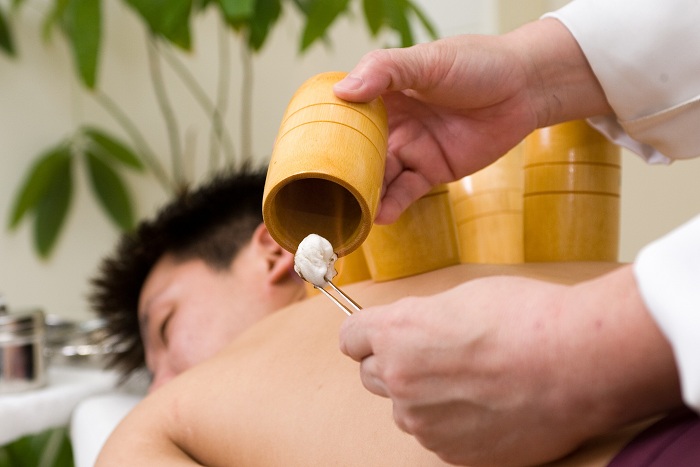
Cupping is a Chinese medicine method that uses plastic or glass cans to suck the meridian points and heat them. It is believed that cupping can pass through the meridian (energy pathway) to promote qi and treat imbalance.
The benefits of cupping
Because cupping can treat a variety of health problems, and the efficacy is immediate, cupping can be a very attractive treatment. In traditional Chinese medicine, cupping is often used to solve the following problems:
• Muscle pain and rheumatic pain
Cupping and heat can deeply relieve muscle pain and rheumatic pain. Dr. Peng explained: “Sucking and heat pull out the moisture in the body, and moisture is a common cause of such illnesses.”
• flu or cold
Flu or cold symptoms usually indicate that exogenous stagnation occurs in the meridians, and can be cupped against such stagnant areas to restore healthy energy flow, thereby alleviating flu or cold symptoms.
• Weight management
Chinese medicine believes that obesity may stem from damage to the digestive system. According to Dr. Peng, cupping can “stimulate digestion, improve gastrointestinal motility and promote waste excretion” for overweight patients, all of which help to reduce the excess weight of the body.
• Basic health care
Cupping helps to restore the smoothness of the meridians and restore the function of the dysfunctional internal organs, thus promoting the overall health of the body.
Who is suitable for cupping:
Cupping is suitable for most patients except for those who are weak and have certain conditions. Dr. Peng pointed out that patients with diabetes, high cholesterol, high blood pressure or pregnant women should avoid cupping therapy.
How to cupping:
When cupping is used, the duration is usually 10-15 minutes. Doctors can smother plastic cans or glass jars at the meridian points.
If a plastic can is used, the doctor will use an air pump to pump out the air inside the tank to create a partial vacuum effect. Glass jars rely on small flames to create a sorption effect, which is considered to be more effective. If the moxibustion needle remains in the meridian point when cupping, the treatment effect will be more significant.
Cupping therapy leaves a distinct round mark on the surface of the skin. This is normal. These marks are harmless to the body and will slowly disappear completely.
The doctor may also recommend follow-up treatments, the number and frequency of treatments will vary depending on the health of each patient and the patient's response to cupping therapy.
Cupping can continue as a long-term treatment even after the patient has resolved the original condition, but not always in the same area. Cupping therapy can be used to relax the body regularly. Dr. Peng said: "The cupping is good for relieving tension and general health maintenance, and it can be done every day."
Common cupping method
• Sitting method
Cupping for about 10-15 minutes.
• Walking method
Pull the cup along the body meridian for 5-10 minutes. The cupping technique has a larger treatment area than the canning method, and the speed is faster, but the pain is stronger.
• Cupping method
This technique produces a sorption effect by placing an ignited cotton ball in the canister, which is believed to help extract moisture from the body.
Principles of Chinese medicine treatment
Traditional Chinese medicine treats the heart, body and god as a whole. This holistic treatment comes from the basic beliefs of Chinese culture. Its focus is on the inseparable characteristics of people and the universe and the need for balance and harmony.
When the life force called qi flows smoothly in the body, the balance between the mind and the body is achieved. Similarly, people need to be in harmony with their surroundings, including adaptation to climate and lifestyle changes.
If the qi and balance are destroyed, the disease will take advantage of it.
Traditional Chinese medicine uses a set of diagnostic, therapeutic and medication systems to promote the body's immune system function, resist external evils, and restore homeostasis.
Traditional Chinese medicine treatment usually includes physical therapy such as herbal medicine, nutritional therapy, acupuncture, moxibustion, cupping, massage or massage, as well as therapeutic exercises such as Tai Chi and related Qigong.
Chinese medicine treatment
Traditional Chinese medicine practitioners can adopt a variety of methods to develop treatment plans and restore body balance. Various treatments for treating physical loss can be used alone or in combination.
Herbal treatment
Therapeutic prescriptions are usually made up of a variety of herbs that not only enhance the therapeutic effect, but also reduce the side effects of certain drugs.
Herbs can be eaten raw, tormented or brewed with water with herbal powder. Some herbs are also powdered and packaged into sachets, pills, pills or capsules that can be taken without cooking.
Regarding the dosage in herbal prescriptions, patients are strongly advised to consult Chinese medicine practitioners.
Acupuncture
Acupuncture is one of several ancient Chinese medicine methods. It is believed that Chinese medicine helps relieve pain and treat diseases by restoring energy flow in the body.
Typical acupuncture treatments involve getting a needle into a specific part of the body to achieve a therapeutic effect. The disinfected disposable moxibustion needle is very thin, and most people have a very slight tingling sensation when they are stuck into the body. Most of the acupuncture sites are along the qi and meridians, and acupuncture promotes energy flow through techniques such as ascending, descending, supplementing, diarrhea, heat supplement and diarrhea (translator's note: the problem of acupuncture techniques is not well understood). Efficacy.
Each treatment lasts approximately 20 to 30 minutes. Hotspurs and cupping can also be used with acupuncture to enhance the effect.
Cupping
As the name suggests, cupping relies on heat to create a partial vacuum in the glass can or the bamboo can, so that the cup is sorbed on the skin. In some cases, the cup can be pushed back and forth over the lesion by hand to pull the local skin and muscles (called cans) in order to restore the circulation of the body's gas.
The cupping system acts on the meridian system of the human body, and can be gasified and sputum, so that the meridians and organs that do not reach the optimal state can be reactivated. From a modern scientific point of view, this therapy helps activate the lymphatic system, promotes blood circulation, and facilitates deep tissue repair.
Massage
Massage (therapeutic massage) is a body treatment similar to osteopathy. Because the bones are correctly aligned during the massage, the normal function of the nerve is not compromised.
Massage is applied to energy meridians and acupuncture points. The principle is the same as that of acupuncture. The difference is that hands and fingers are used instead of moxibustion needles. By combining massage and finger pressure, massage is applied to acupuncture points, meridians, muscles or nerves to remove stagnant stagnation. Many health problems are caused by such stasis, which then leads to pain, swelling and accumulation of toxins.
The typical treatment of massage requires consideration of the patient's complete medical history, including physical trauma, medication, surgery and lifestyle, and the therapist will also use Chinese herbal medicine to promote faster healing. The duration of treatment lasts from 30 minutes to 1 hour, and the number of treatment sessions varies with the condition. Through treatment, patients often feel more relaxed and energetic.
Chinese massage
Chinese body massage is performed according to the meridian system and is considered to be an effective combination therapy. Chinese massage combined with Chinese herbal medicine and other basic Chinese medicine can relieve pain and muscle tension.
Pedicure
The foot is regarded as the mirror of the body. The foot treatment is to press, stretch and retract the foot and the sole of the foot to play a role in the corresponding part of the body. Through this special technique, the foot treatment can relieve various pressures in specific parts of the body.
订阅:
博文 (Atom)